


Smetana’s Litomyšl
National festival | 10. 6. - 6. 7. 2021
10th June - 6th July 2021
Program announcement
May 17 2021
Presale launch
May 26 2021
---
all our activities are
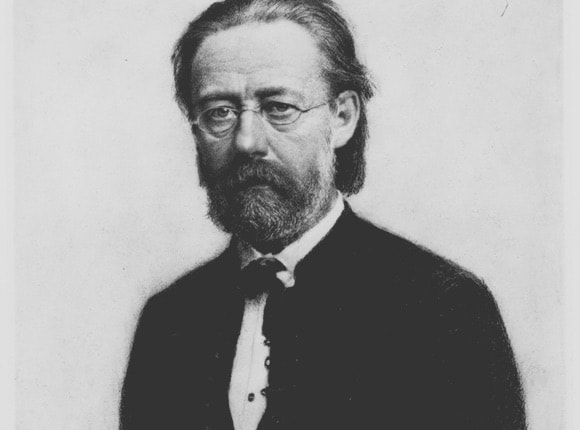
Bedřich Smetana was a significant composer in the romantic period. From his early youth he concerned himself with music, especially playing the piano and composition.
Read More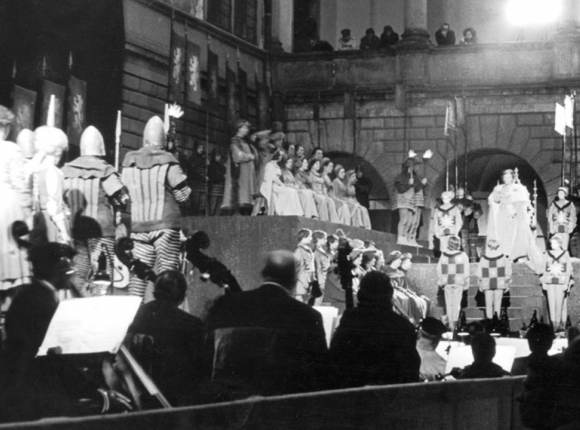
The grand festival of classical music Smetana’s Litomyšl has been held since 1946 in the home town of the founder of Czech national music Bedřich Smetana, the old-fashioned east Bohemian town of Litomyšl.
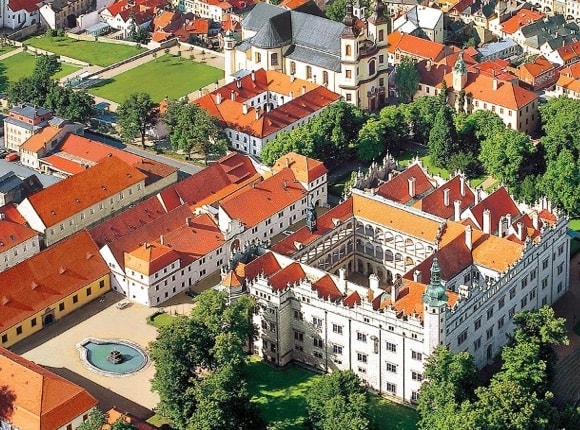
Litomyšl can boast of both ancient and modern architecture, a rich social life but at the same time plenty of peace and quiet.
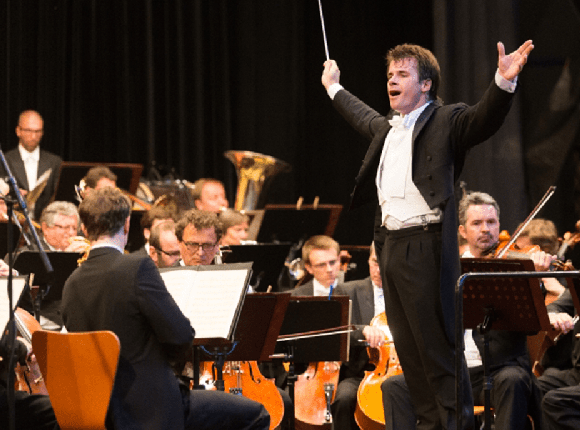
The Smetana’s Litomyšl festival is the second oldest music festival in the Czech Republic, and at the same time it is among the largest regular classical music festivals held in the country.
 In 1861 Smetana joined the growing independent Czech-speaking musical life. However, as a supporter of the line which had its origin among German neoromanticists he was encountering mistrust of conservative Czech circles who saw a "foreign" influence in his modern orientation and used arguments of Czech provincial patriotism against him. At the time of bitter attacks which unleashed at the beginning of 1870's Smetana again turned to symphonic poems. Already according to first magazine news from 1872 it was to be a cycle which would present "the most important moments of our glory and our misfortune" in compositions called Říp, Vyšehrad, Vltava, Lipany and Bílá hora. The concept of the cycle changed during the following years, but there was also another tragic change in Smetana's life. In autumn 1874 he turned deaf, he had to leave his band master position in the Provisional Theatre and withdraw from public life. Symphonic poems Vyšehrad and Vltava were realized from the original plan (they were already finished at the time of Smetana's deafness in November and December 1874), in January he finished Šárka and in October of the same year the fourth part of the cycle, From Czech Meadows And Groves. Only three years later he wrote Tábor and finally in March 1879 he finished Blaník. Smetana thus changed the original plan mapping the historical events of the Czech nation through geographical references, by inserting two middle poems. In Šárka, the impression of the rocky formation in the outskirts of Prague is associated with the tale of Šárka, Ctirad and the maidens' war, the symphonic poem From Czech Meadows And Groves is a hymnic celebration of Czech landscape. The finished Má vlast was dedicated by a letter dated 14 October 1879 to the royal capital of Prague. Its first collective presentation took place on 5 November 1882 at Žofín, played by an extended orchestra under the direction of Adolf Čech. Smetana's cycle connects the beginning of the idea of Czech statehood, a celebration of Czech landscape and love towards it together with an idea of national invincibility. That is how the cycle has been understood from the very beginning and the significance of this extraordinary works was reassured in later years during festive as well as tragic moments.
Vlasta Reittererová


